The Irrawaddy Magazine |
- Bangladesh Urges U.S. to Help Repatriate Rohingya Refugees
- Chinese Firm Involved in New Yangon City Has Long List of Controversies Abroad
- Minority Groups Weigh in on Having Chief Ministers Elected, Not Appointed
- 10 Missing after Fighting Between Rival EAOs Causes Villagers to Flee in N. Shan
- Yangon Authorities Slow to Implement New Municipal Law
- Groups Say INGO Threatens to Inflame Religious Tensions in Meiktila
- ‘Rescued’ Myanmar Army Man Returns
- Mandalay Court Charges Ex-FDA Director With Graft
- India-Pakistan Border Quiet But Kashmir Tense Amid Militancy Crackdown
- Huawei CFO Suing Canada Over December Arrest
| Bangladesh Urges U.S. to Help Repatriate Rohingya Refugees Posted: 04 Mar 2019 06:07 AM PST DHAKA — Bangladesh Disaster Management and Relief Minister Enamur Rahman on Sunday said he asked the U.S. to help find a way to repatriate the more than 1 million Rohingya refugees from Myanmar sheltering in the country’s Cox’s Bazar District. He said he made the request during a meeting with the U.S. ambassador to Bangladesh, Earl Miller, in Dhaka earlier in the day. "In the meeting I said, ‘Look, the donations or grants are not the main subject. Many days have passed. Now we want amicable repatriation with nationality rights and honor,'” Rahman told The Irrawaddy. "We want repatriation as soon as possible with nationality rights. They will have to enjoy access to education, health, jobs and all human rights,” he added. “And I sought his opinion.” He said the ambassador elaborated on U.S. financial support to Bangladesh and assured him Washington would help Dhaka find a way to repatriate the refugees. In a statement, The U.S. Embassy in Dhaka said "the United States is committed to helping those affected by this crisis. We are deeply appreciative of the generosity of the government and people of Bangladesh for opening their border and hearts to a Rohingya community that has suffered greatly. We call on all nations with the means to contribute to this global humanitarian response." Rahman also said that Bangladesh still intended to move forward with a controversial plan to relocate some of the refugees to Bhasan Char, a flood-prone island in the Bay of Bengal. “It is the prime minister's desire to relocate them to those houses built for 23,000 families there," he said, adding that the office of the prime minister has been meeting with the Disaster Management and Relief Ministry, UN agencies and non-government organizations about the plan. The minister said the principal secretary of the prime minister’s office, Nojibur Rahman, and others would meet with U.N. Resident Coordinator Mia Seppo in Dhaka again on Wednesday. "Following the meeting on March 6, a final roadmap will be drawn up on how they will be relocated," he said. Seppo did not respond to questions about the U.N.’s role in the relocation plan, which it has raised doubts and concerns about in the past. In a tweet on Monday, Germany’s ambassador to Bangladesh, Peter Fahrenholtz, said: “I assume the relocation will happen on a voluntary basis and that there would be another assessment mission by the U.N.” The relocation camp on Bhasan Char, a designated forest reserve that lies some 30 km from the mainland, is scheduled to be finished later this year by the Bangladesh Navy. The U.S. Embassy statement said the United States was contributing $45.5 million to the United Nations World Food Program to support the Rohingya refugees in Bangladesh. It comes on top of the $60 million the U.S. pledged at the launch of the 2019 U.N. Joint Response Plan in Geneva on Feb. 15. The U.S. is the leading contributor of humanitarian assistance to the Rohingya refugees and host communities in Bangladesh, providing nearly $500 million since August 2017. The embassy said the latest contribution will go toward food, monsoon and cyclone preparation, and nutritional support for mothers and children. The post Bangladesh Urges U.S. to Help Repatriate Rohingya Refugees appeared first on The Irrawaddy. |
| Chinese Firm Involved in New Yangon City Has Long List of Controversies Abroad Posted: 04 Mar 2019 05:10 AM PST YANGON—A Chinese state-owned company, which has signed a framework agreement with the Yangon government to draw up a proposal for the infrastructure projects of the New Yangon City project across the Yangon River expected to be twice the size of Singapore, has been embroiled in a number of controversies for its involvement in alleged fraud, corruption and bribery in many other countries where it implemented similar development projects. The 20,000-acre-wide New Yangon City, one of the projects of China's ambitious Belt and Road Initiative (BRI), was launched by the Yangon regional government in March last year via the government-owned New Yangon Development Company (NYDC). The investment for the first phase of the project, mostly infrastructure projects, is $1.5 billion. NYDC signed a framework agreement with China Communications Construction Company (CCCC) in April last year for nine initial infrastructure projects in the first phase that includes two bridges, roads, power plants, water and wastewater treatment plants and a 10-square-kilometer industrial estate expected to generate 2 million jobs. However, it turns out that the Hong Kong-listed China-owned company has been accused of corruption and bribery in at least 10 countries—from the Philippines to Bangladesh to Tanzania—in Asia and Africa for development deals in those areas, according to international media reports. Nearly a month after its formation, the NYDC announced that it signed the contract with CCCC without calling for tender. "NYDC has chosen CCCC to sign a framework agreement because the company was considered to be the most qualified." Daw Myat Hsu Hlaing, NYDC's development and communication associate, told The Irrawaddy. However, she did not answer questions on the other competitors during that time. She referred to the NYDC CEO Serge Pun's explanation on his blog on the NYDC website. In the blog post, Serge Pun explained that NYDC believes CCCC has the required capability and sufficient experience in planning, designing, financing, constructing and regional developments similar to the project. He also gave some examples of CCCC projects, including the bridge that links Hong Kong to Macau and the Beijing-Shanghai high-speed railway. He wrote, "CCCC comes with a depth of experience." "CCC shareholders include multiple international institutional investors. CCCC comes with financial clout," he wrote. He questioned, "Why would we not want to work with one of the largest and more experienced companies in the global infrastructure industry space?" However, word of controversies surrounding the Chinese company has given rise to speculation among people in Myanmar that the New Yangon City might face the same fate as CCCC-operated development projects in other countries. China Communications Construction Company NYDC signed a framework agreement with CCCC on April 30, 2018 at Mingalar Hall at the Yangon regional government office. Among the attendees were Yangon Chief Minister Phyo Min Thein, Chinese Ambassador for Myanmar Hong Liang, CCCC President Chen Fenjian and CCCC's subsidiary China Harbor Engineering Company (CHEC) President Tang Qiaoliang. At the ceremony, after talking about his company's achievements in the fields of development and operation, Mr. Chen Fenjian said the new city across the river was of "great significance" as it could rapidly and effectively expand urban space and drive seaward development. He said the group would integrate the highest-quality resources and closely cooperate with Myanmar to jointly build a "safe, wise and green" Yangon New City and continue to make new contributions to the economic and social development of Myanmar. U Phyo Min Thein said Yangon New City would create a large number of jobs, deepen the friendship between China and Myanmar, and hoped that CCCC and NYDC could continue to working together to further improve infrastructure in Yangon and to benefit local people. Based in Beijing, CCCC is one of the world's largest companies, focused on transportation infrastructure projects — supported in different business segments by over 60 subsidiaries such as China Road and Bridge Corporation, China Harbour Engineering and John Holland Group. According to China Daily, CCCC has set up more than 240 branches, research institutes and service hubs in 118 countries and regions. The group has signed overseas contracts worth $170 billion over the past five years. However, CCCC and its subsidiaries have been leaving a trail of controversy in the Philippines, Sri Lanka, Malaysia, Bangladesh, Thailand, Canada, Australia and Kenya. The company was sanctioned by the World Bank from January 2009 until January 2017 due to fraudulent bidding practices under Phase 1 of the Philippines National Roads Improvement and Management Project. In Sri Lanka, CCCC's $1-billion Colombo Port City project has faced backlash from locals due to the risk of serious negative impacts on the environment and livelihoods. The project, which is located on 269 hectares of land reclaimed from the ocean is being implemented by CCCC since 2014. The Sri Lankan government guaranteed that it wouldn't have any negative environmental impacts and countered local concerns about erosion, despite objections from environmentalists who warned the project would have a "severe impact" on the coastline, causing erosion and affecting marine biodiversity, fishery stocks, and breeding sites. CCCC drafted nearly 80 environmental impact and mitigating requirements in its framework. Despite officials claiming they are following the guidelines, a Bloomberg report found major environmental damage along a 280-kilometer stretch of coastline north and south of the capital Colombo and 80,000 households that make a living from the sea affected. The All Ceylon Fisher Folk Trade Union revealed a 20 percent decline in catch.  Sri Lanka's current prime minister Ranil Wickremesinghe later disclosed to the media that an investigation was being carried out into an $8.1-million fund transfer to opposition leader Rajapaksa's staff in 2018 before the elections when he was running for a third term. The prime minister said the fund included a payment from CCCC via an account with the Standard Chartered Bank. Moreover, Australia accused CCCC of careless supervision in the construction of a children's hospital in 2016 which was being built by CCCC subsidiary John Holland. The report revealed the discovery of white asbestos in the roof panels at the new Perth Children’s Hospital and found failures in both the procurement process and the contract management process. The Australia construction union asked the government to consider a temporary ban on the import of building material from China. However, CCCC denied responsibility for the failures. In 2014, two Tanzanian officials were charged with fraud for awarding a bloated contract of more than $500 million to CCCC to expand the main port in the country's capital city. Kenya is another country facing the threat of falling into a BRI debt trap with China. Despite Beijing's denials, a key port in Mombasa has been at risk of being seized by China since last year. There were serious allegations of mistreatment of railway workers in 2018 by the China Road and Bridge Corporation (CRBC) a subsidiary of the CCCC. Construction of the major railway was shut down after hundreds of workers went on strike. Moreover, the leg of the railway line running northeast from the capital was also a subject of local tension and anger due to the project's employment of Chinese workers on the construction site instead of the jobs being given to locals. Last year, the Canadian government ordered CCCC not to implement a proposed investment project in order to protect national security. In the same year, Bangladesh blacklisted China Harbour Engineering Company (CHEC) a subsidiary of CCCC for trying to bribe a secretary. The Chinese government had selected CHEC to construct the Dhaka-Sylhet highway after an MoU was signed between the governments in 2016 following a visit by President's Xi. A Bangladeshi finance minister told the media that the company granted the contract for the expansion of the highway had attempted to bribe another government official. Back in 2010, the former Bangladeshi prime minister's son, Arafat Rahman, was jailed and fined $1.6 million for accepting bribes from CHEC, for the Chittagong Port project bid. Rahman was accused of receiving over $2.09 million from CHEC in three installments, routed through U.S. institutions, in the spring and summer of 2005.  The list of controversies connected with the company continues to grow longer as Malaysia opens an investigation into whether CCCC overcharged for a railroad linking Kuala Lumpur with Malaysia's east coast and about funds drawn to pay debts by the government development fund under the former prime minister Najib Razak who is currently facing trial on corruption charges. In October last year, Malaysia's new government canceled the project agreement out of debt trap fears. CCCC offered to reduce the project cost to RM 40 billion ($9.8 million) from RM 70 billion ($17.2 million), however the project is still in limbo. In January, Thai media reported backlash against CCCC from the local people after the company failed to take into account the potential social and environmental impacts of dredging the Mekong River for commercial shipping. Neither CCCC's Public Relations Division nor its Overseas Business Division replied to The Irrawaddy's requests for comments on Friday about public concern over whether New Yangon City would face the same fate due to the company's controversial background. Public concerns Given the long list of controversies connected with CCCC, it's no wonder New Yangon City is attracting mounting public concern and criticism. Critics have pointed out that the project poses the risk of facing the same fate as those other countries if the government doesn't consider the accountability of developer, the actual cost, the environmental impact, benefit-sharing and other social impacts. Daw Sandar Min is a Yangon regional parliament lawmaker who represents Seikkyi Township, which is located within the project area of New Yangon City. She said the Yangon government should have known CCCC's controversial background before agreeing to work on the project, and that lawmakers will soon raise questions about the Chinese company in Parliament. "Given the information we received so far, we must scrutinize CCCC's background very carefully," she said.  RWR, a Washington-based advisory group tracking and analyzing China’s global business transactions, has identified a number of transactions by CCCC and its subsidiaries around the world that have introduced risk factors for their partners and customers. These have included public allegations of corruption and bribery, opaque public business dealings and complaints about the quality of the work. According to Andrew Davenport, Chief Operating Officer of RWR, Chinese state-owned enterprises have a track record, in many cases, of choosing deals and putting forward bids based on calculations of their strategic value to Beijing, rather than their commercial value to the company's bottom line and/or shareholders. "Meanwhile, the company (CCCC) has been accused of corruption and bribery in various other countries, including, for example, Bangladesh," he told The Irrawaddy. He added, "If CCCC is willing to offer, by significant margins, the most generous terms available to Myanmar on this project, government officials and citizens should ask themselves why they are doing this?" Davenport also warned that regardless of whether Myanmar can afford what is being offered or is making a sensible economic decision to spend this much money on a new city, generous, possibly "non-market" terms can create dependencies and deliver a degree of control or influence. The framework agreement between NYDC and CCCC marks the first stage of the NYDC Challenge Model where a company that is qualified and competent to undertake the first phase of the development is selected to submit a set of Pre-Project Documents (PPD) which includes technical specifications, financial proposals and business models for NYDC's review. Once the PPD is submitted and approved by NYDC, it will be made public to allow for any qualified party to challenge the agreement with better terms on the basis that it strictly adheres to the terms and conditions of the tender assessment criteria. NYDC said the PPD will be ready for publication soon. The post Chinese Firm Involved in New Yangon City Has Long List of Controversies Abroad appeared first on The Irrawaddy. |
| Minority Groups Weigh in on Having Chief Ministers Elected, Not Appointed Posted: 04 Mar 2019 04:47 AM PST Nearly three years into its administration, the ruling National League for Democracy (NLD) has taken steps to honor its campaign promise to amend the military-drafted Constitution. Parliament formed a joint committee to start drafting amendments last month. The military-backed Union Solidarity and Development Party (USDP) has since submitted a proposal to amend Section 261 of the Constitution. If approved, regional legislatures will be able to elect their chief ministers, who are currently appointed by the president. While ethnic minority politicians also want to amend Section 261, they are concerned that it could end up giving even more power to the military, which is already guaranteed a quarter of the seats in the Union and regional legislatures. Leaders of ethnic armed groups and political parties spoke to The Irrawaddy about their views on amending Section 261.
Padoh Saw Kwe Htoo Win Vice Chairman, Karen National Union Section 261 is about the appointment of region and state chief ministers. But there are sub-articles a, b, and c. It would be good if chief ministers could be selected from the regional lawmakers in the regions and states. But we have to think about the military-appointed lawmakers in the regional parliaments. We need to be careful about that. So careful assessment is needed before any action is taken, because we don't want to amend Section 261 alone. We need to think about other basic principles.
U Ba Shein Lower House Lawmaker, Arakan National Party If the centralization in the 2008 Constitution is to be reduced, the rights granted to states to run a parliament are not enough. We want the chief minister of the government, which directly manages the state, to be elected by the lawmakers of the party that wins the majority (of seats) in that parliament. This will allow stronger representation of the people. But according to our experiences after the 2010 and 2015 elections, the needs of the people and the reality on the ground didn't match. In the 2010 elections, our party won nine of 17 townships in Rakhine State. But then the USDP, which won the least votes, appointed the chief minister. Similarly, our party won 14 of 17 townships in the 2015 elections, and the NLD appointed its member as the Rakhine State chief minister. It is fair to say that this has caused political friction, racial conflict and a lack of trust. For those reasons, we support the idea of having the chief minister elected by the party that wins the majority in state elections. Other provisions can be changed gradually. But for the time being this must be changed.
Sai Thiha Kyaw Lower House Lawmaker, Shan Nationalities League for Democracy In fact, ethnic minorities have wanted to amend Section 261 since the first Parliament (of the USDP-led government). Generally, ethnic minorities want the chief ministers to be elected by the regional parliaments. They must be elected from among the regional lawmakers. They must be people elected by the people, and then approved by the president later. This is what we want. It is important that he is accountable to local people. If they are responsible only to the president, there might be distance between them and the local people, and the representation of the people in government will be reduced. It is difficult to talk about details for the time being. We don't know the views of the Tatmadaw (military) and other parties. We have two representatives on the committee to draft the amendments to the Constitution. They will discuss based on the policies of our party.
Nai Hong Sar Vice Chairman, New Mon State Party It is more appropriate that people elect the chief minister or the leaders of their own states. We will try to get the provision amended sometime in the future. We want to switch to federalism. If state chief ministers are appointed by the president, it is not federalism, it is controlled by the president. It is not right. This is our view. The 25 percent share of military-appointed lawmakers must be reduced. The chief ministers must be elected by the people of that state. This is how it should be. We can't view things from one side. But my personal view is that Section 261 must be amended.
Khat Htein Nan Chairman, Unity and Democracy Party of Kachin State It is the wish of the entire country that the Constitution be amended. The whole country is trying to get it amended. It can only be amended through Parliament. Originally the plan was to amend it through the NCA (Nationwide Ceasefire Agreement). But as the Panglong Conference has been adjourned, (the NLD) is trying to amend it through Parliament. Of course the Constitution must be amended. The first Parliament tried but failed to amend it. So everyone is trying to amend it during the term of the second Parliament. We should welcome this, and I hope that those parts that need to be changed are finally changed. Section 261 is about allowing the political party that wins the local election to choose the chief minister. This is a necessary requirement for transforming into a democratic federal Union. If the party that wins the majority in a local election can appoint the chief minister, it can be more accountable to the local people. It is better to have the committee draft amendments to the Constitution than to have none. It would be good if many provisions are amended. It would be good to amend Section 261, and related provisions should be amended too. I think it is necessary to also amend the provisions related to Section 261.
Daw Htoot May Upper House Lawmaker, Arakan League for Democracy Frankly speaking, ethnic minorities find it difficult to accept the basic principles of the Constitution. Section 6 (f) of the Constitution lets the Defense Services participate in the national political leadership of the country. We should start from there when changing the Constitution. Section 7 says the Union exercises genuine, disciplined, multi-party democracy. Democracy is already disciplined. So there is no need to add the adjectives "genuine” and “disciplined." We can't achieve federalism, which ethnic minorities have been demanding for 70 years, by amending only Section 261. It is not the federalism we want in terms of essence and values. If local legislatures are finally allowed to elect their chief ministers, we should move forward to Appendix 2 and the rights of the people. Appendix 2 doesn't give power to state governments; everything is handled by the Union government. This is not fair. I wonder if those provisions will be amended all at once. Amending only that section won't guarantee any ethnic rights in particular. Myanmar can't achieve federalism by amending that section alone. In my view the chief minister, if the proposed amendment is approved, will get the title but not the power to make meaningful changes for ethnic minorities. If the Tatmadaw is not magnanimous, and unless the Tatmadaw compromises, we can do nothing to the Constitution. No matter how hard Parliament tries, the Constitution won't be amended. So the legislative branch is the most important factor regarding real democracy and real federalism. Because parliaments need to be built with elected lawmakers. So if they (the Tatmadaw) have goodwill for the country, and if they are willing to learn the lessons of the past 70 years, we first need to establish parliaments with 100 percent elected lawmakers. Only when all the parliaments in the country have 100 percent elected lawmakers will the right path to amending the Constitution be at hand.
Lar Mar Lay Lower House Lawmaker, Lisu National Development Party I support amending Section 261 of the 2008 Constitution. The USDP submitted the proposal, and I believe all the Tatmadaw representatives will support it, and so will the lawmakers of the NLD. But I doubt that amending Section 261 can really benefit ethnic minorities. There are ethnic parties in the states, but it is quite difficult for them to win, like the Arakan (National) Party in its state. So I am concerned that the amendment won't bring about real benefits.
Kham Khant Htan Lower House Lawmaker, Zomi Congress for Democracy The country can't become a federal democratic Union by changing only Section 261. But the centralization of the administrative system will change a bit. Other things will not change. Many provisions in the Constitution need to be changed. First, changes must be made so that the country can transform into a federal Union. Related by-laws can be adopted later. But this can't be done immediately. Right now Section 261 allows a centralized system. Not only chief ministers but also ministers are appointed to region and state governments. Our state, Chin, has experienced this problem. So I believe things will be somewhat different if chief ministers are elected by lawmakers. The post Minority Groups Weigh in on Having Chief Ministers Elected, Not Appointed appeared first on The Irrawaddy. |
| 10 Missing after Fighting Between Rival EAOs Causes Villagers to Flee in N. Shan Posted: 04 Mar 2019 04:32 AM PST Ten people are missing after residents of Mann Lee village in northern Shan State's Namtu Township fled their homes on March 1 amid fierce fighting between rival ethnic groups in the area, according to local sources. Two of the missing had stayed behind in the village to take care of their properties. The others disappeared after being displaced by the fighting. Ko Myo of the Philanthropists Without Borders Association based in Lashio told The Irrawaddy on Monday that the group was still searching for the 10 missing IDPs. "We first went to check on their village today. But we could not find them. We haven't heard any news of them yet," he said. Ko Myo visited the village on Monday morning. He said one house had been destroyed by an artillery shell. Another shell had landed in front of a Buddhist monastery in the village. "We saw some properties that had been destroyed in the village by fighting, but not a lot," he said. The association would ask for help from ethnic armed groups to search for the missing villagers if it couldn't find them, he said. "We want to take a little bit more time to see whether they contact their families," he said. "If not, we will ask the ethnic armed groups to help us find them," he said. The 10 missing villagers are all ethnic Ta'ang and range in age from 15 to 41. The 41-year-old is rescue team member Sai Nge Lay, said Ko Myo. Ko Sai, the older brother of Sai Nge Lay, told The Irrawaddy on Monday that his brother disappeared on March 1 when he went to rescue other villagers who were trapped by the fighting. Sai Nge Lay works as a member of a volunteer rescue team in Lashio helping local IDPs in Namtu Township. Ko Sai said that Sai Nge Lay drove his car to Mann Lee village intending to rescue people after receiving a phone call from someone in the village asking for help. Family members of the 10 missing people have raised the disappearances with Namtu Township authorities. Ko Sai said he went back to Mann Lee on Sunday looking for his younger brother but could not find him. "We could not find him or his car," Ko Sai said. A joint force of Ta'ang National Liberation Army (TNLA) and Shan State Progressive Party (SSPP) fighters have clashed periodically with Restoration Council of Shan State (RCSS) troops since February. The fighting escalated on March 1, prompting the residents of Mann Lee to flee. The IDPs from the village are a mixture of Shan and Ta'ang who have lived peacefully together for many years. Armed conflict is common in northern Shan State. Sometimes it involves fighting between the Myanmar Army and ethnic armed groups. However, fighting also occasionally breaks out between rival ethnic armed groups. The RCSS is an ethnic Shan armed group originally based in southern Shan State. Its members began moving into northern Shan after the group signed the Nationwide Ceasefire Agreement, leading to a territorial dispute with the SSPP and TNLA. The TNLA and SSPP are ethnic Ta'ang and Shan groups based in northern Shan. Both are members of the Northern Alliance of armed groups. The TNLA and SSPP have jointly fought back against the RCSS' encroachment on their territory. Their current military operation aims to kick the RCSS out of their area of control. Fighting escalated in northern Shan last year, especially in Namtu and Hsipaw townships, from which hundreds of ethnic Shan and Ta'ang have been displaced. There are about 2,000 IDPs currently staying in camps in Hsipaw Township. The most recent fighting has centered around two locations, one in Loi Lin village in Hsipaw Township, and the other in Mann Lee in Namtu Township. The two areas are considered by the RCSS to sit on a line of demarcation between southern and northern Shan. The post 10 Missing after Fighting Between Rival EAOs Causes Villagers to Flee in N. Shan appeared first on The Irrawaddy. |
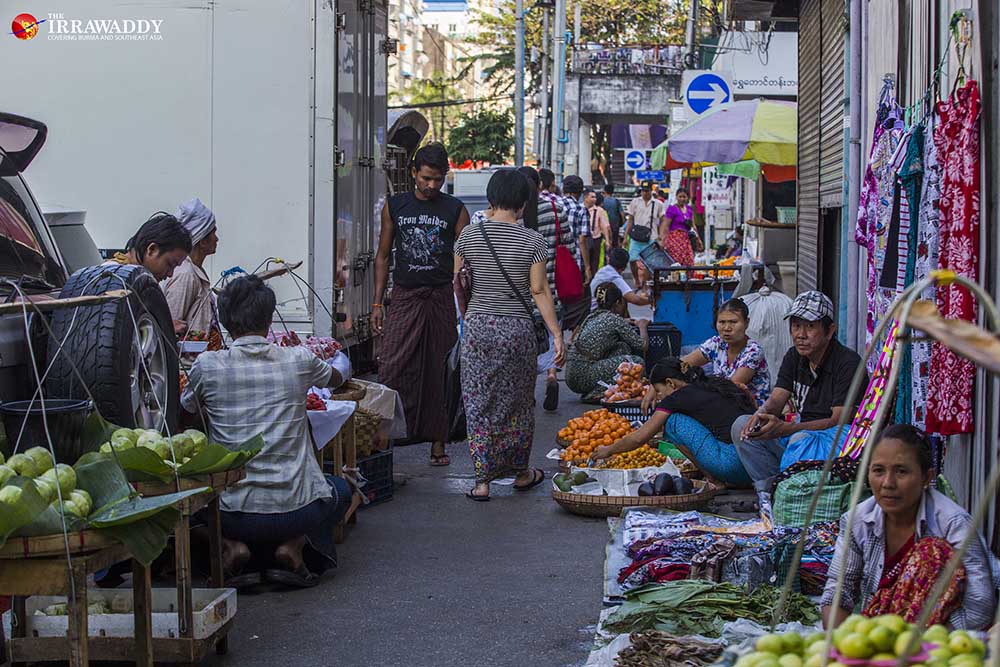
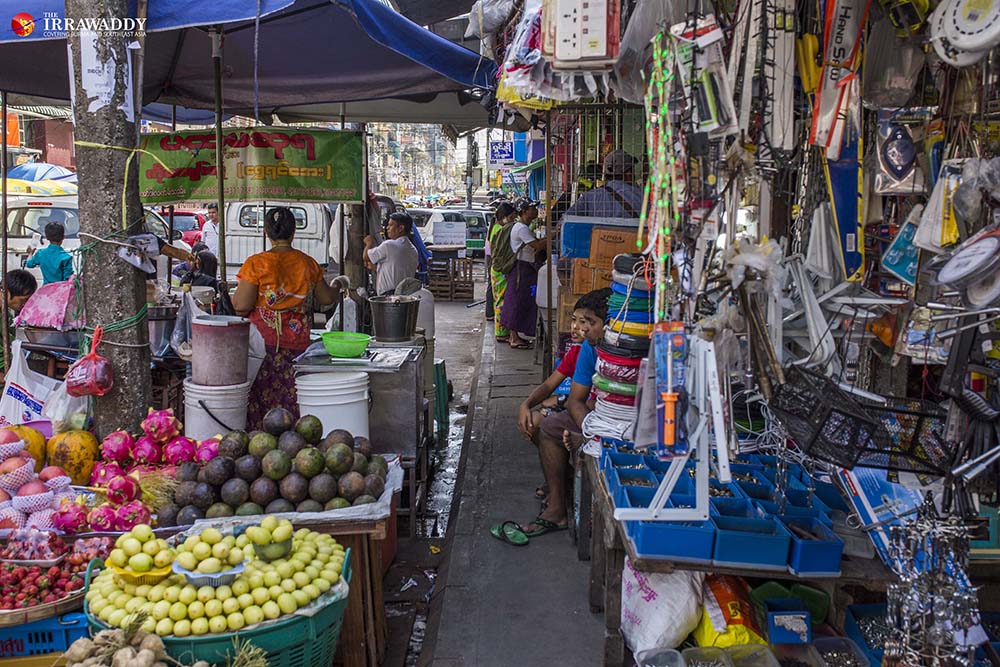
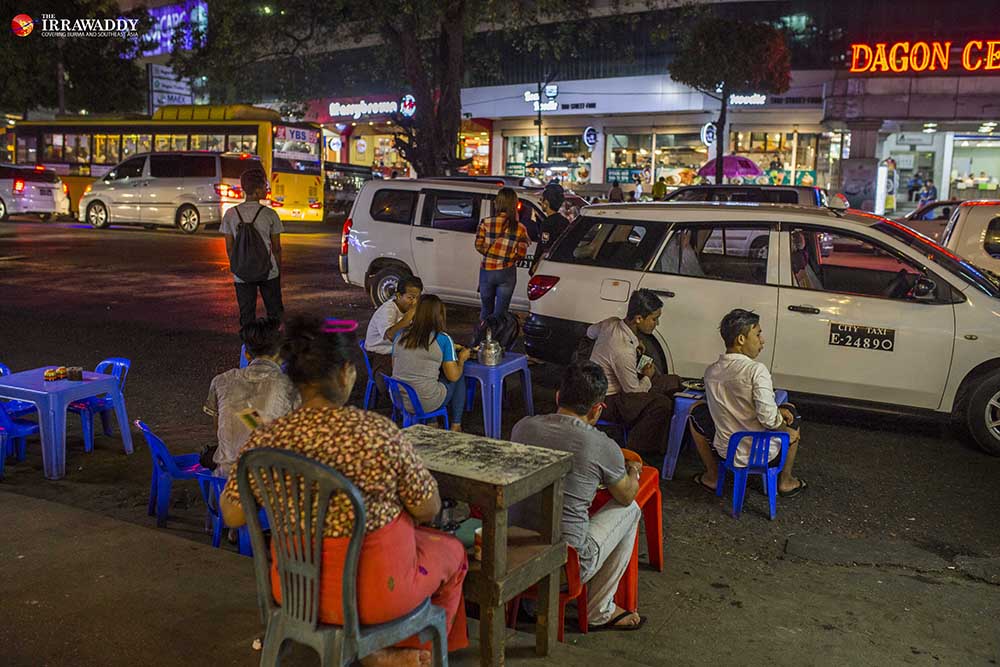
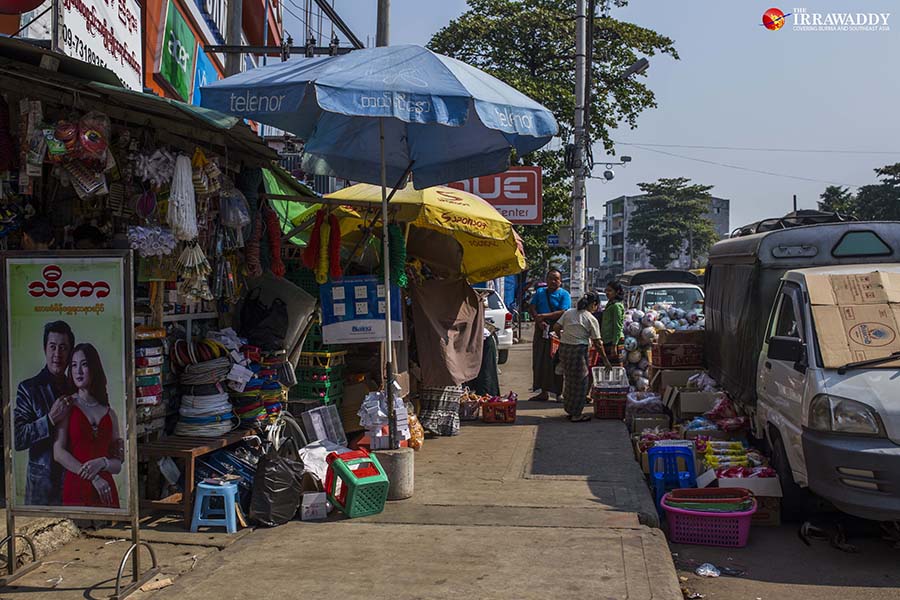
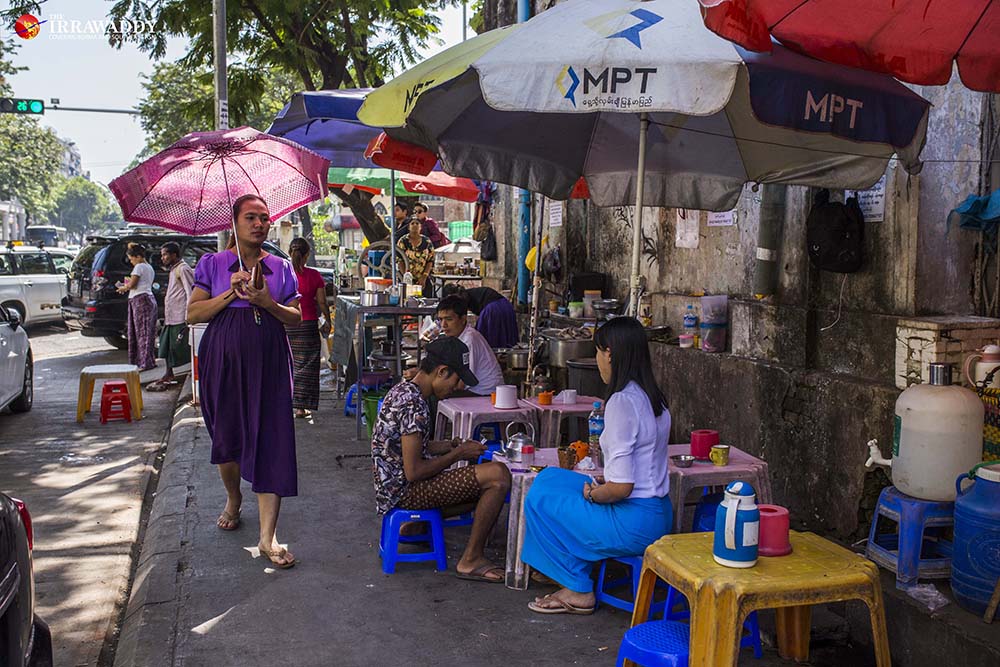
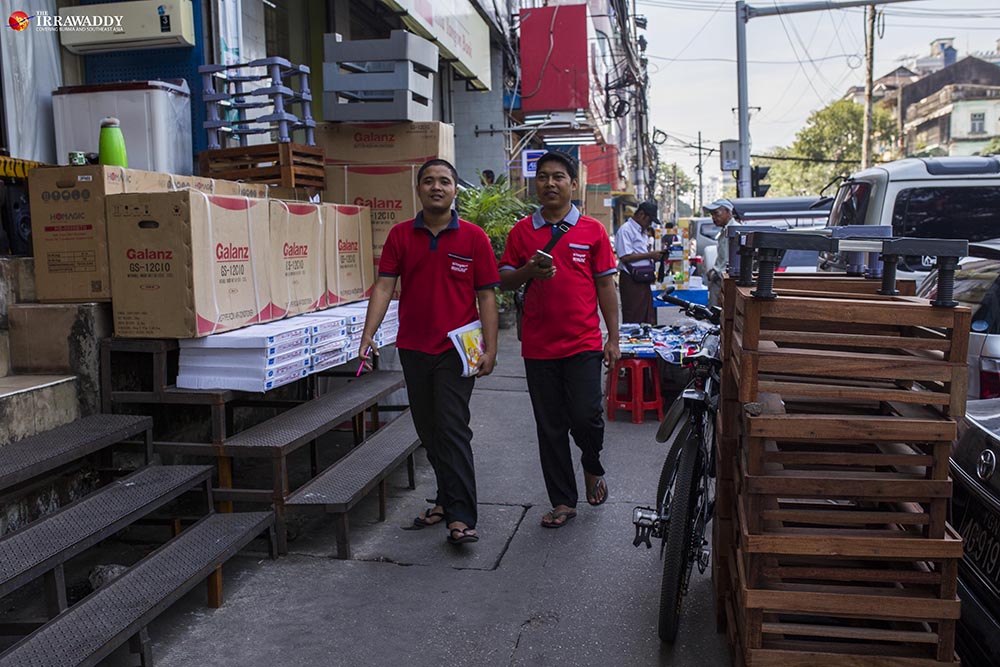
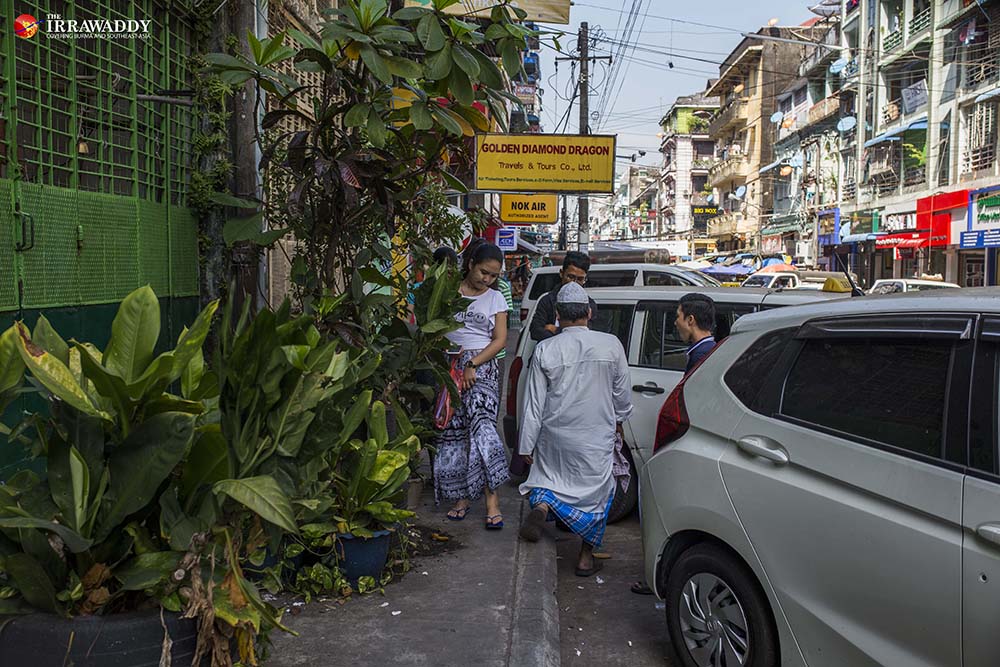
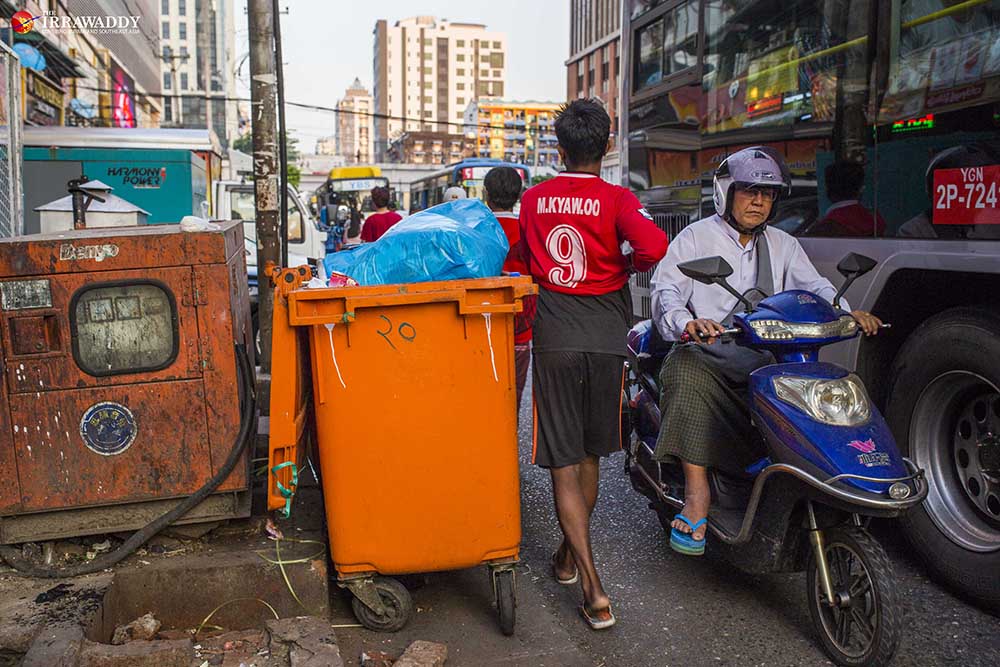
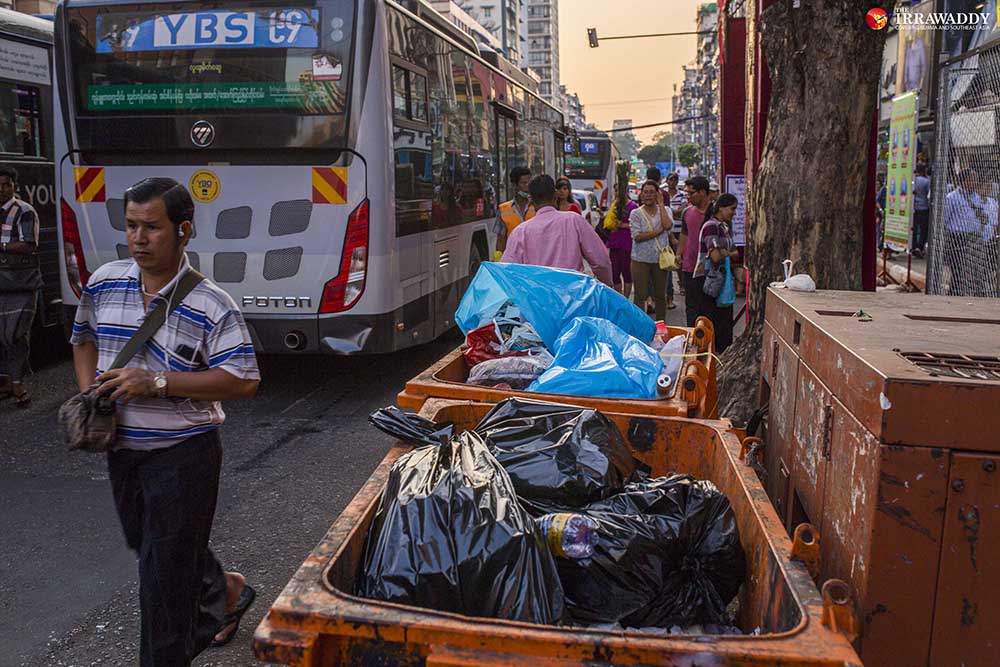
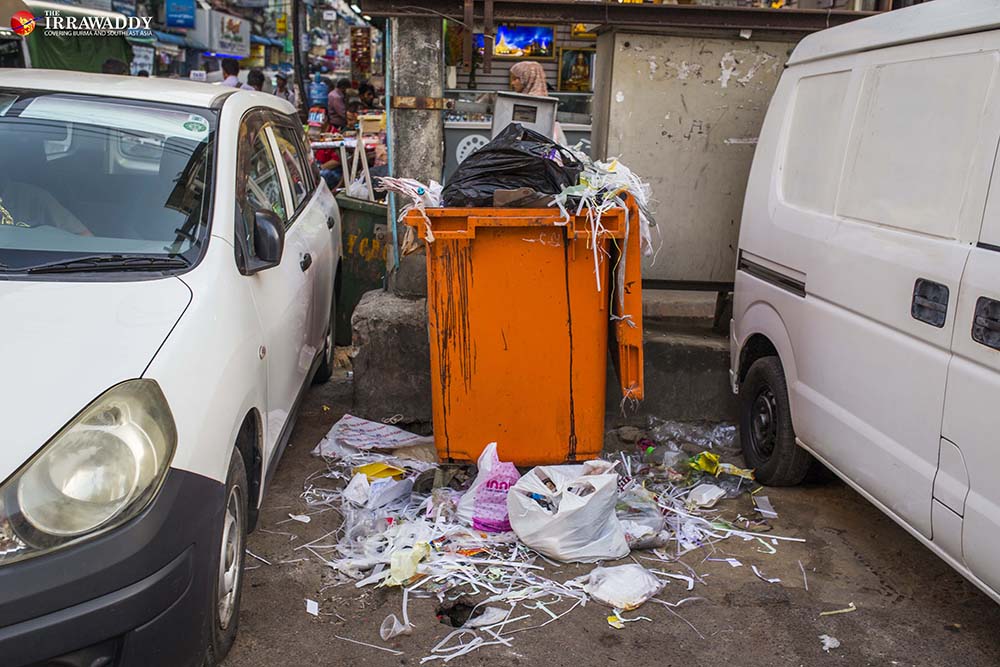
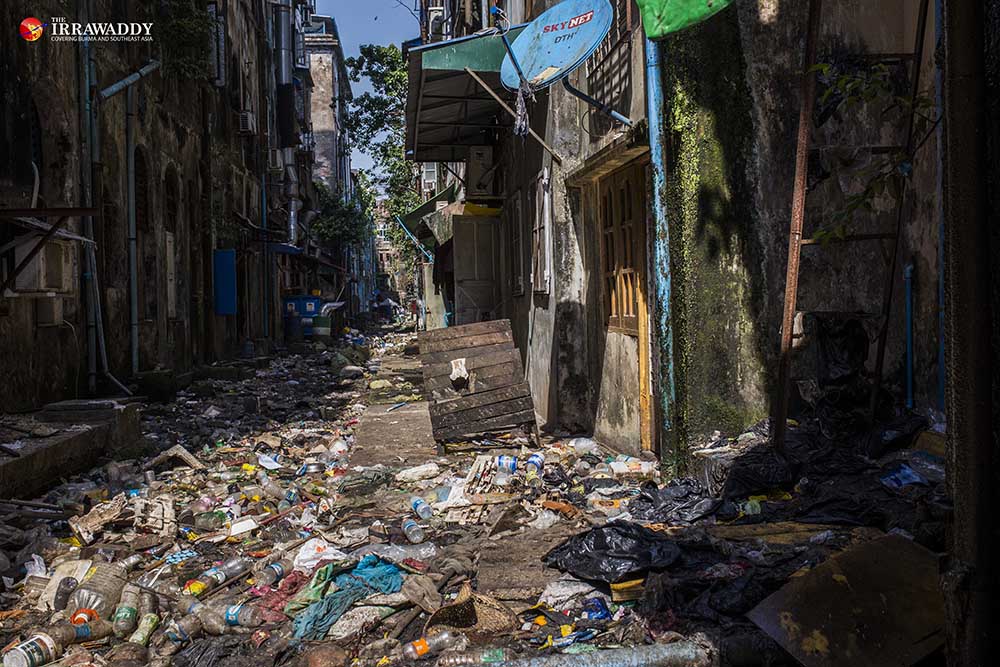
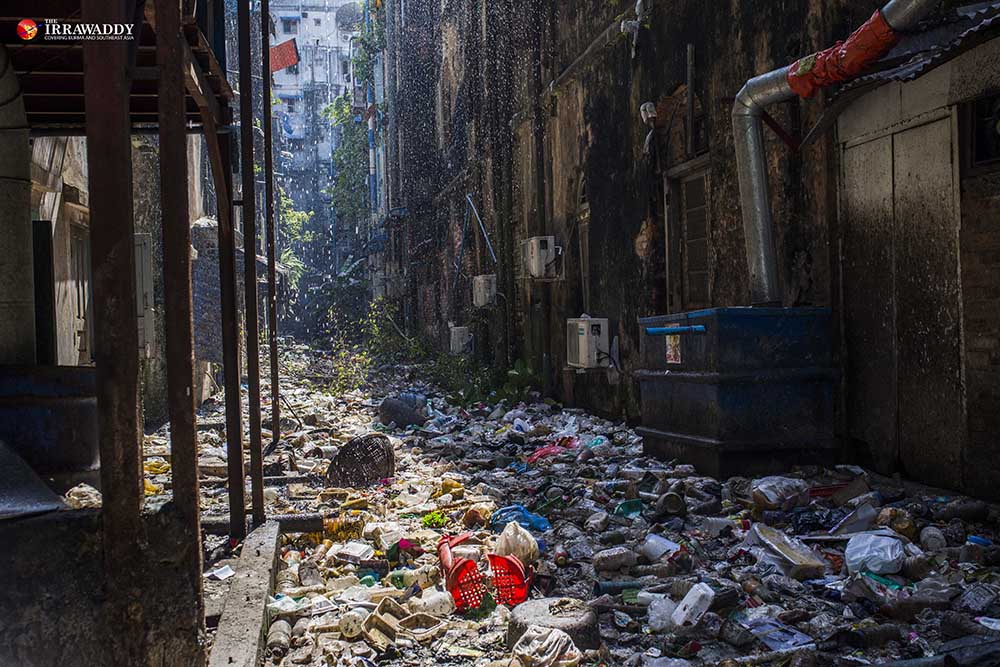
| Yangon Authorities Slow to Implement New Municipal Law Posted: 04 Mar 2019 04:00 AM PST YANGON—For many years, Yangon's municipal body—the Yangon City Development Committee (YCDC)—has been notorious for alleged corruption and negligence in carrying out its duties. However, hopes were raised when a new municipal law was enacted in June last year. The new legislation replaced the 1922 City of Rangoon Municipal Act and, together with the 2013 Yangon City Development Law, aims to reform the body and improve its services. The new law creates a vice mayor position to assist the mayor in managing development projects in Yangon and increases the number of elected YCDC members from four to six. It also carries harsher penalties for unregulated street vendors, squatters, littering, betel juice spitting, and destruction of public places and heritage buildings, while more closely regulating businesses, construction and urban planning in the city. Unlike previous legislation, the new law introduces penalties for municipal staff found guilty of negligence or serious mistakes. If the YCDC can fully implement the law, it could drastically change the public perception that municipal officials need to be paid to get things done, satisfying residents who have long been unhappy with services in the city. Yet, eight months after the law was enacted, including a three-month public education period in July, August and September last year, only a few steps have been taken to implement it. A recent series of photographs taken around the city by The Irrawaddy illustrate the weaknesses in the YCDC's application of the new legislation. Vendors, food stalls, shops out of control Hawkers and vendors choke the streets of Yangon, posing serious problems including blocking traffic and forcing pedestrians to walk on the streets. Lawmaker U Than Naing Oo of Panbedan Township said officials had managed to clear street vendors off the pavements of the main downtown roads after the new YCDC Law came into effect. He added that vendors would also gradually be banned from sleeping overnight on the roadsides. "Personally, I don't support the forced removal of vendors. We need to explain it to them and raise their awareness of the need to abide by the law," the lawmaker added. Yet, many regional lawmakers are frustrated by what they called a cat-and-mouse game. Lawmaker U Wai Phyo Han of Insein Township said that in his constituency, municipal workers clear the sprawl of vendors and stalls from the street sides when complaints are made. But the vendors simply hide out for a while and reappear after the municipal inspections are complete. 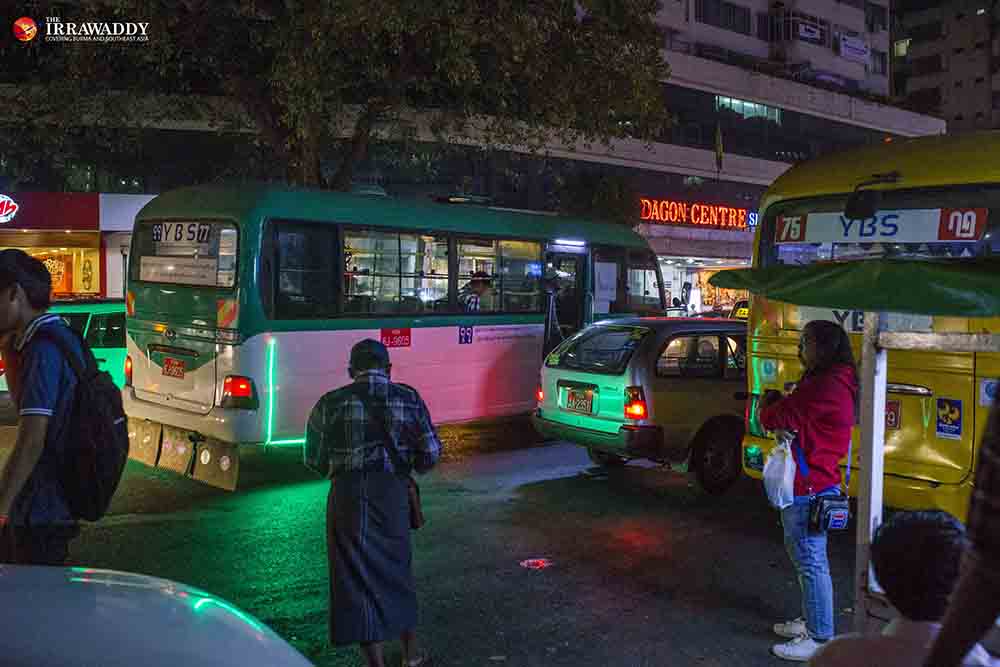 Lawmaker U Thawda Aung of Sanchaung Township said roadside vending in Yangon had become deeply rooted after such a long period of neglecting to enforce the law. The vendors believe they are trying to make an honest living, forgetting that it is an offense under the law. He said unregulated vending also harms the sales of those vendors who obey the law by selling inside of YCDC permitted markets. Some street vendors sell outside in a bid to attract more customers. The lawmaker said strict action also needed to be taken regarding larger stalls and big shops that intrude onto the streets, in addition to the small roadside vendors. The YCDC Law prohibits any obstruction of public roads, streets and sidewalks; violation carries a fine of 100,000-500,000 kyats as well as a 3-month jail term for repeat offenders. "The committee needs to enforce the law strictly to prevent the problems from which the residents suffer," lawmaker U Thawdar Aung added. Regional lawmaker U Kyaw Zay Ya of Dagon Township cited the YCDC's poor planning and lack of long-term solutions as major reasons behind the failure to effectively regulate the street vendors. "They need to have a plan on how and where they will relocate them in each township. But now, there is no such a plan. They carry out raids if there is a serious complaint against them and shoo away the sellers. This is not a solution," he said. Generators Another vivid example of the YCDC's failure to enforce the law is the old generators sitting idle in defiance of the 100,000 to 500,000 kyat fine called for in the law. The law also calls for repeat offenders to serve a six-month jail term. Lawmaker U Than Naing Oo of Panbedan Township said data has been collected on generators that need to be removed under the new law in his constituency. He said the notice would be issued to those who put the generators in place and will give them some time to remove them. If not, the YCDC must take action against them. "But we will need to take time to implement it," he added. Rubbish management Waste management in Yangon is operated in a piecemeal manner by a team of YCDC employees, hampered by a shortage of waste bins and an upsurge in consumer goods purchases, with streets often cluttered with plastic debris and discarded leftover food in alleyways and gutters. Lawmaker U Wai Phyo Han of Insein Township said that with the initiatives of the lawmakers, a few townships in Yangon including his constituency have launched a new plan for the municipal staff to collect the rubbish of each household at the residents' homes two or three times a week. The plan aims to improve the garbage collection system as well as reduce locals' throwing rubbish into the alleyways and drains on the grounds that waste bins are too far away from their residence. But it is far from certain that the plan will be sustainable, given the committee's limited manpower and equipment. Stray Dogs and ‘merit feeding’ "We have dog lovers but for those who don't like them, stray dogs are a safety hazard," lawmaker U Thawda Aung of Sanchaung Township said. Sanchaung is among the townships with large populations of stray dogs. Most of the streets of Sanchaung are crowded with stray dogs, especially at night. They fight each other over territory and sometimes attack children playing on the streets. It is also a big concern for local residents who frequently call the authorities in to handle the dogs, which also carry the threat of rabies. Yet, the YCDC's old method of poisoning dogs has been criticized. The committee's options of vaccination and sterilization have also been carried out on a few occasions. U Thawda Aung added that those who throw food onto the ground irresponsibly to feed strays should face action as per the law, as it is a dirty habit and the uneaten leftovers create unhygienic surroundings. Under the new YCDC Law, such actions are punishable with fines of 100,000 to 500,000 kyats. 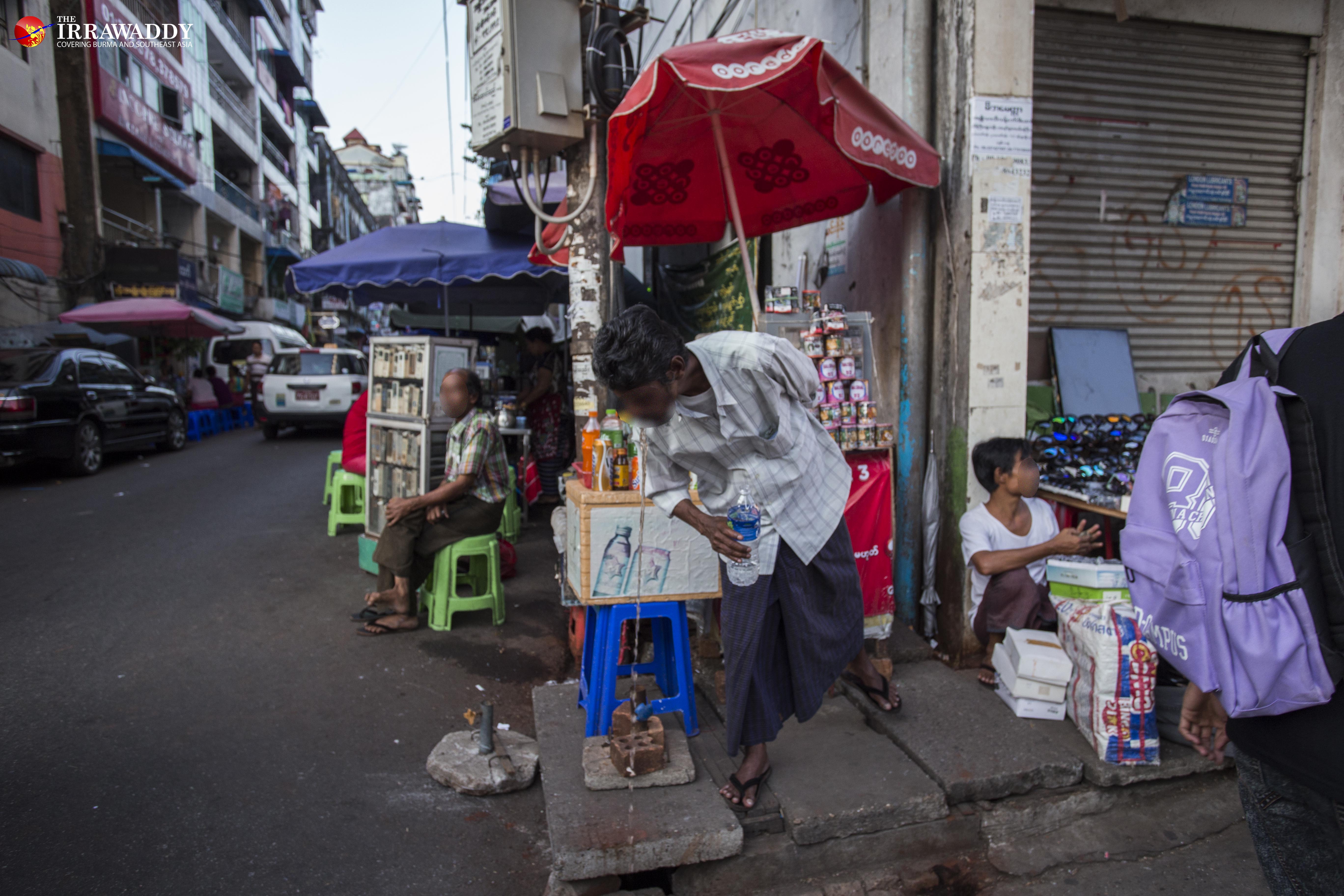 New Hope Lawmaker U Thawda Aung of Sanchaung Township said the incomplete structure of the municipal body is a main weakness in implementing the law. YCDC is mainly responsible for applying the law, yet it lacks elected members in the executive and township level committees. Lawmaker Ko Nay Phone Latt of Thingangyun Township and MP Ma Kyi Pya of Kyauktada Township shared this view. They said that with the lack of elected representatives, the committee members faced huge workloads in managing the development of Yangon. 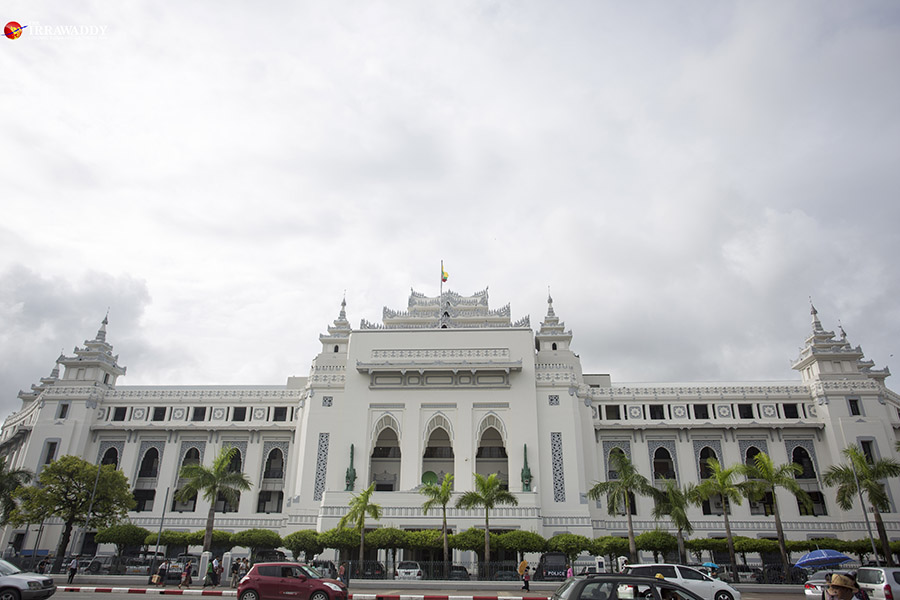 Municipal elections will be held on March 31. A total of 274 candidates have been registered to run in the elections. There are 99 seats at the township level—three seats each in 33 townships—and six for the YCDC's executive board. "We hope there will be improvements after the election. Even if half of the elected representatives really work for the people, they will surely make a difference to the city," MP Ma Kyi Pya said. The post Yangon Authorities Slow to Implement New Municipal Law appeared first on The Irrawaddy. |
| Groups Say INGO Threatens to Inflame Religious Tensions in Meiktila Posted: 04 Mar 2019 01:54 AM PST YANGON—Residents of Mandalay Region's Meiktila have signed a petition protesting against international non-governmental organizations (INGOs), saying their actions threaten to reignite sectarian conflict in the town. A meeting was held on Feb. 27 at the Wai Yan Bontha Monastery, which is widely known to be loyal to Ma Ba Tha—the Burmese-language acronym for the Association for the Protection of Race and Religion. Nationalist groups, disciples and members of the Young Myanmar Buddhist Association attended the meeting and signed the petition, which will be presented to authorities, said U Win Zaw, who was present. ` "It's not because of religion. We don't want organizations in our town that sow discord between two societies on the pretext of providing social assistance," U Win Zaw said. The petition organizers have singled out MA-UK (Myanmar) for particular criticism, accusing the INGO of failing to cooperate with local authorities. The organization is planning to set up an office in the town. MA-UK (Myanmar) did not reply to The Irrawaddy's request for comment about locals' accusations. The petition reads, "I sign here of my own volition [affirming] that I totally oppose foreign-backed (so-called social assistance) INGOs including MA-UK Myanmar opening offices in Meiktila Township, and engaging in various forms of activity." More than 40 people were killed and many injured during violent clashes between the township's Buddhist and Muslim communities in March 2013. Mosques and houses were reduced to ashes in the riots. The violence started on March 20 following a brawl between a Muslim gold shop owner and a Buddhist customer. Anti-Muslim riots spread to some 15 towns in other regions and states. MA-UK is working to repair drains in Chan Aye Tha Ward in the west of Meiktila, where Muslim residents whose houses were destroyed were resettled after the riots, but some locals have complained that the INGO failed to cooperate with local authorities, said Lower House lawmaker Dr. Maung Thin of Meiktila Township. "The town was hit hard in 2013. We are concerned that it will happen again. I want all sides to work for peace," he said. "The peaceful relations the two societies enjoyed in the past have been restored. There is no problem and we should be careful about incendiary speeches," said Meiktila resident U Aung Thein. The township administrator filed a lawsuit against the supervisor of MA-UK (Myanmar) in 2016 in response to the organization's activities in Meiktila, but the court rejected his complaint, according to local residents. MA-UK (Myanmar) is based in London and began working in Myanmar in 2012 to provide food and relief items for people in conflict areas. Headquartered in Yangon's Dagon Township, it has branch offices in Sittwe, Mrauk-U and Maungdaw in Rakhine State, and started operations in Meiktila in December 2016. The post Groups Say INGO Threatens to Inflame Religious Tensions in Meiktila appeared first on The Irrawaddy. |
| ‘Rescued’ Myanmar Army Man Returns Posted: 03 Mar 2019 11:57 PM PST DHAKA—At a flag meeting on Sunday, Border Guard Bangladesh authorities handed over the Myanmar military solider employed with their Border Guard Police 38 days after he was rescued inside Bangladesh territory. The 28-year-old army constable, Aung Bo Bo Thein of the Myanmar Border Guard Police Branch No. 5, was handed over at an official ceremony between Border Guard Bangladesh and Myanmar Border Guard Police held at the Ghundum land border in Naikhyangchari Region of Bandarban District. He was "rescued" on Jan. 24 in the Banhatirchhara area of the same region by the Border Guard Bangladesh who acted on information from the Myanmar side on Jan. 22, the Bangladesh officials said. A nine-member Border Guard Bangladesh delegation led by Teknaf Border Guard battalion commanding officer Lt-Col Md Asaduzzaman held the flag meeting with Myanmar Border Guard Police Lt-Col Kyaw Win Hlaing, commanding officer of the Border Guard Battalion-34, Lt-Col Ali Haider Azad Ahmed, told The Irrawaddy over the phone. About the delay in returning the soldier, Lt-Col Azad said the matter was taken up by the Bangladesh foreign ministry and settled with the Myanmar foreign ministry which finally led the handing over. According to the Border Guard Bangladesh officials, the Myanmar constable became "lost while on duty" on Jan. 22 evening and was found "drunk" and wandering "aimlessly around 3.5 kilometers inside Bangladesh from the international border on the morning of Jan. 24. Lt-Col Azad said they in principal followed the rules as prescribed by the Geneva Convention to deal with the soldier and his food, accommodation, medical treatment and other facilities were given as accordingly. Aung Bo Bo Thein, was seen in uniform while returning with his senior officials on Sunday afternoon. He is originally from a Yangon garrison of the Myanmar military. A local Bangla-language daily Nayadiganta quoted Bangladesh border guard officials saying that in primary interrogations of the soldier, he expressed that he was unhappy with his army job in Myanmar. Following his rescue, the Bangladesh border guard officials had said they would send him back "as soon as possible", in compliance with their commitment to good relations with their Myanmar border guard counterparts. The post 'Rescued' Myanmar Army Man Returns appeared first on The Irrawaddy. |
| Mandalay Court Charges Ex-FDA Director With Graft Posted: 03 Mar 2019 10:52 PM PST MANDALAY — A Mandalay Region court on Friday charged the former director-general of the Health and Sports Ministry’s Food and Drug Administration (FDA) with bribery. The court charged U Than Htut, 60, under Section 56 of the Anti-Corruption Law after hearing from more than 30 prosecution witnesses since May. If convicted, he faces up to 10 years in prison. "The court has summoned 11 witnesses again for further testimony. There will be a court hearing for them on March 8," said U Chit Ko Ko, the former director-general’s lawyer. U Than Htut was accused of asking a company to build him two furnished homes and a swimming pool with a combined value of over 15 million kyats (about $10,000) in exchange for a contract to build laboratories for the FDA. The Anti-Corruption Commission sued him in April. U Than Htut trained as a civilian physician and later served as a military doctor. He was also an assistant professor at the Yangon University of Public Health. He joined the FDA as deputy director-general in March 2015 and was later promoted to the top slot. His prosecution was the first to be announced by the Anti-Corruption Commission following the inauguration a year ago of President U Win Myint, who has vowed to crack down on government graft. U Than Htut has denied receiving any personal benefit from the company, which the government has not identified. Translated from Burmese by Thet Ko Ko. The post Mandalay Court Charges Ex-FDA Director With Graft appeared first on The Irrawaddy. |
| India-Pakistan Border Quiet But Kashmir Tense Amid Militancy Crackdown Posted: 03 Mar 2019 08:14 PM PST SRINAGAR, India/MUZAFFARABAD, Pakistan — As India and Pakistan seemingly dial down hostilities that brought the arch enemies to the brink of another war, a massive crackdown on militancy in the Indian-controlled Kashmir region is killing both militants and security personnel in big numbers. At the Line of Control (LoC), the de facto border between the nuclear-armed neighbors, there was relative calm in the past 24 hours, their armies said on Sunday. The exchange of fire in the past few days has killed seven people on the Pakistani side and four on the Indian side, though the release of a downed Indian fighter pilot by Pakistan on Friday night has helped de-escalate tensions. “By and large the LoC was calm last night, but you never know when it will become active again,” said Chaudhry Tariq Farooq, a minister in Pakistani Kashmir. “Tension still prevails.” Indian warplanes carried out air strikes on Tuesday inside northeast Pakistan’s Balakot on what New Delhi called militant camps. Islamabad denied any such camps existed, as did some villagers in the area when Reuters visited. Nevertheless, Pakistan retaliated on Wednesday with its own aerial mission in a show of force. The countries have fought three wars since independence from Britain in 1947. In Indian-ruled Kashmir, troops on Sunday shot dead two militants after a three-day gun battle that also killed five security force personnel, taking the total death toll to 25 in the past two weeks. The fresh anti-militancy drive was launched after a Kashmiri suicide bomber, a member of a Pakistan-based militant group, killed 40 Indian paramilitary police on Feb. 14. The government of Prime Minister Narendra Modi has also come down hard on separatist groups operating in Kashmir, including by banning the Jamaat-e-Islami party, two of whose clerics were detained in raids on Saturday night. On Sunday residents observed a shutdown in South Kashmir’s Tral area against the detentions. Shops were closed and traffic was off the roads in the area, and a protest march took place. Indian authorities have arrested more than 300 Jamaat leaders and activists in the past two weeks, accusing the group of supporting attempts to “carve out an Islamic State out of India” by destabilizing the government. Amit Shah, the president of India’s ruling Hindu nationalist Bharatiya Janata Party that faces a general election by May, told an election rally that the government has made it clear to the separatists that “if they want to live in India, they will have to speak the language of India, not Pakistan’s.” The government, however, has come under pressure from the opposition to share proof that “a very large number” of militants were killed in air strikes inside Pakistan this week, after doubts were raised there were any casualties in the attack. Finance Minister Arun Jaitley, one of Modi’s top lieutenants, said on Saturday “no security agencies ever share operational details” and dismissed suggestions that the escalation in tensions with Pakistan had anything to do with domestic politics ahead of the election. Pollsters expect the ruling party to benefit from the nationalistic passion sweeping the country. The post India-Pakistan Border Quiet But Kashmir Tense Amid Militancy Crackdown appeared first on The Irrawaddy. |
| Huawei CFO Suing Canada Over December Arrest Posted: 03 Mar 2019 08:07 PM PST OTTAWA, Canada — The lawyers for Huawei Chief Financial Officer Meng Wanzhou are suing the Canadian government, its border agency and federal police, alleging their client was detained, searched and interrogated for three hours in violation of her constitutional rights. Canada arrested Meng in Vancouver on Dec. 1 at the request of the United States, which has brought sweeping charges against her and China’s Huawei Technologies Co. that portray the company as a threat to U.S. national security. Meng was charged with bank and wire fraud to violate American sanctions against Iran. In a civil lawsuit filed in the British Columbia Supreme Court on Friday, Meng’s lawyers said the manner in which officers obtained evidence and information from Meng constituted serious violations of the Canadian Charter of Rights and Freedoms. Meng is the daughter of Huawei’s founder. It added that Canadian Border Services Agency (CBSA) officers deliberately delayed the immediate execution of an arrest warrant and unlawfully subjected Meng to detention, search and interrogation to extract evidence from her before she was arrested. The Royal Canadian Mounted Police – Canada’s federal police – only exercised its arrest warrant three hours after Meng’s “unlawful” detention at the airport, the lawsuit added. There was no immediate response from Canada’s justice ministry or the RCMP. The CBSA said it did not comment on matters before the courts. Meng, who is out on bail, is due to appear in a Vancouver court at 6 p.m. GMT on Wednesday, when a date will be set for her extradition hearing. The Canadian government approved her extradition proceedings on Friday. China, whose relations with Canada have deteriorated over the affair, denounced Canada’s decision on Friday and repeated previous demands for Meng’s release. The lawsuit further alleged that Meng was directed to surrender all her electronic devices, computers and passwords and that CBSA officers then unlawfully opened and viewed the contents of the seized devices in violation of her right to privacy. CBSA officers also searched Meng’s luggage in violation of the right to privacy, the lawsuit said. “The CBSA Officers knew or were recklessly indifferent to the fact that they had no authority to conduct such a search, which search was performed under the false pretense of a routine customs or immigration related examination,” according to the lawsuit. The post Huawei CFO Suing Canada Over December Arrest appeared first on The Irrawaddy. |






| You are subscribed to email updates from The Irrawaddy. To stop receiving these emails, you may unsubscribe now. | Email delivery powered by Google |
| Google, 1600 Amphitheatre Parkway, Mountain View, CA 94043, United States | |
